NFT
NFTs and the Future of Artistic Value
The introduction of NFTs has heralded a paradigm shift in the digital art market, presenting a groundbreaking platform for buying, selling, and trading digital art with unparalleled authenticity and value. NFTs have disrupted conventional norms and created unprecedented opportunities for artists to thrive in the digital realm, shaping the future of art in ways that were once inconceivable.
Non-Fungible Tokens have emerged as a prominent topic since 2020, generating significant attention from investors. However, the perspective of artists in relation to these digital assets has often been overshadowed. Nevertheless, understanding NFTs from the standpoint of artists is crucial in comprehending their true financial value in the foreseeable future.
Understanding the Implications of NFTs for the Art World
NFTs have emerged as a disruptive force in the art industry, transforming the way transactions occur and empowering artists with new opportunities. Nevertheless, the true financial value of NFTs for artists and the broader art market is still evolving, and careful consideration of the risks and benefits associated with these digital assets is essential. As the landscape of NFTs continues to evolve, further research, regulation, and understanding of their potential impact are imperative to fully comprehend their implications for the art world.
Similar to cryptocurrencies, NFTs are traded on the blockchain, albeit with distinctive characteristics. While cryptocurrencies function as digital currencies, NFTs represent digital assets. Digital assets, in general, are not a novel concept and can encompass a wide range of items, from virtual gaming skins to corporate logos. What sets NFTs apart is their non-fungible nature, meaning each NFT is unique and cannot be exchanged on a one-to-one basis. When an NFT is purchased, the transaction is recorded on the blockchain, establishing the buyer as the sole owner and entitling them to a digital certificate of authenticity.
The implications of NFTs for the art industry are significant. Firstly, NFTs have transformed the way transactions occur in an industry that has traditionally lacked robust regulations, given the substantial sums of money involved. The blockchain technology underlying NFTs has facilitated this transformation by creating an immutable record of all transactions associated with a particular NFT. In doing so, the blockchain generates a “smart contract,” which is safeguarded by cryptography and contains comprehensive information about the NFT’s primary market, including details about its creator, initial buyer, subsequent changes in ownership, and valuation.
Empowering Artists, Creating Transparency, and Navigating Risks
This paradigm shift brought about by NFTs has far-reaching implications for artists. It enables artists to assert greater control over their creations, as they can establish ownership and authenticity through NFTs. Additionally, artists can potentially benefit from royalties as they retain a stake in the subsequent sales of their NFTs, which is not possible with traditional art sales. NFTs also offer the potential for artists to reach a global audience and monetize their digital artworks in new and innovative ways.
However, it is important to note that the valuation and long-term financial value of NFTs are complex and multifaceted. The art market, including the NFT market, can be highly speculative and subject to fluctuation. The lack of standardization, regulation, and the legal framework surrounding NFTs also presents challenges and risks for artists, buyers, and investors alike. Therefore, it is imperative for artists and other stakeholders to exercise caution, conduct thorough due diligence, and seek professional advice when navigating the NFT landscape.
The widespread availability of information through NFTs has revolutionized the art market, leading to a decentralized and transparent marketplace that contrasts sharply with the traditional opaque model dominated by commercial galleries, dealers, and auction houses. This paradigm shift has created equal opportunities for artists, especially those from marginalized communities, as they can now access relevant pricing and supply information in exchange for authenticating their art on the blockchain. This system not only empowers artists but also benefits collectors, who can verify the authenticity of sellers and compare prices with confidence.
Challenging Notions of Ownership
The advent of NFTs has fundamentally transformed the art market, ushering in a decentralized and transparent landscape that empowers artists and collectors alike. The potential of NFTs to provide income to creators and monetize content has opened up new possibilities for artists and other creative professionals. However, challenges around the notion of ownership and scarcity in the digital realm warrant further exploration and discussion as the NFT landscape continues to evolve.
NFTs have not only disrupted the traditional art market but have also provided a new source of income for creators who use platforms such as Instagram and YouTube to distribute their content. For years, artists such as filmmakers, writers, and musicians have struggled with undervalued pricing due to the free availability of their content on these platforms. However, NFTs and the blockchain introduce an element of scarcity to their content, making it monetizable and enabling creators to receive fair compensation for their work.
Despite the promising prospects of NFTs, some creators remain skeptical about the concept of “scarcity” associated with them. They argue that NFTs, like any other Instagram or YouTube post, can be easily downloaded or screenshotted from the internet, raising questions about true ownership. It is important to note that while downloading an NFT may grant possession of an illegal copy, it does not necessarily confer ownership rights, highlighting the complexities and nuances of the NFT ecosystem.
How NFTs Empower Creators with Cryptographic Protection
NFTs have disrupted the conventional art world by offering a secure and inclusive platform for creators to monetize their works. Through features such as cryptographic protection, royalty systems, and exclusive ownership of digital content, NFTs have redefined the boundaries of art and empowered creators with new opportunities for compensation and ownership.
Cryptographic protection offers a heightened level of security compared to conventional legal measures, as it requires specialized decoding skills possessed by a limited number of individuals. This unique feature of cryptographic protection creates a sense of scarcity for the works of web content creators, allowing them to effectively monetize their creations within this niche yet highly secure framework. Consequently, NFTs, or non-fungible tokens, have disrupted the traditional definition of art by providing a compensation system that extends beyond traditional mediums such as paintings or sculptures, encompassing a wider range of creators.
The royalty system is a notable example of how NFTs have fostered an inclusive and lucrative platform for creators. Leveraging the blockchain’s ability to meticulously track every single NFT transaction, creators have the option to set a royalty percentage when they mint their NFT for the first time. Subsequently, with every subsequent purchase or sale of the NFT, the creator is entitled to receive a royalty based on the sale price. This revolutionary system empowers creators with commercial rights even after their creations have been transferred to new owners, providing a novel ownership structure that extends beyond traditional models.
NFTs have also unlocked new avenues for generating quick income for creators. In the past, digital content such as music, scripts, and videos could only be streamed or subscribed to on established platforms such as YouTube, Instagram, or Spotify. However, with NFTs, digital files in formats such as jpg, mp3, and mp4 can now be bought and owned exclusively, granting creators greater control over the distribution and monetization of their content.
The Impact of NFTs on the Traditional Art Market
In recent years, NFTs have emerged as a captivating phenomenon for global artists and collectors, generating new economic opportunities. However, amidst the fervor surrounding NFTs, the profound impact they are having on the traditional art market often goes unnoticed. The implications of buying and selling NFTs are not only intriguing for artists, but also for collectors, galleries, museums, and auction houses alike.
Diverging from the fungible nature of cryptocurrencies like Bitcoin, NFTs possess a unique quality. In the realm of art and collectibles, an NFT is typically a distinctive digital representation of a tangible or intangible asset, such as a work of art. It functions much like a certificate of authenticity and is recorded on a blockchain, a decentralized digital ledger.
NFTs can be based on physical or digital artwork, music, collectibles, or other digital assets, thus opening up a new frontier in the art market landscape. While some may view NFTs as a passing fad, they hold intriguing implications for the existing art market and the future of the digital art world.
For decades, a well-established path has existed for artists and their artwork, beginning with galleries that connect art with museums and collectors, followed by the secondary market centered on auction houses. Art galleries and auction houses have traditionally served as the market makers of the art world, where museums, collectors, and artists converge to buy and sell art. However, NFTs and their associated marketplaces are disrupting this conventional process by enabling more artists to bypass intermediaries and directly sell their work to buyers in the open market. This paradigm shift challenges the established dynamics of the art market and poses significant implications for its future trajectory.
Revolutionizing Art Pricing
The advent of NFTs has disrupted the pricing dynamics of artwork and has also revolutionized the way galleries and artists receive compensation. In the conventional art market, the gallerist determines the initial price of artworks by emerging artists at the time of creation and initial sale.
Subsequently, a secondary market may emerge for established artists, which enhances the liquidity of their works. However, in the traditional model, artists do not benefit from any potential price increases in subsequent sales of their artworks, as the proceeds solely go to the current owner of the artwork. NFTs, on the other hand, introduce a paradigm shift in this regard.
NFT contracts can incorporate clauses that entitle artists to receive royalties on each subsequent transaction, thereby allowing them to claim a share of any potential upside in the value of their artworks. Notably, major NFT exchanges, such as OpenSea, typically uphold these clauses, although private sales between individuals may present a grey area in terms of their enforcement. Furthermore, given the decentralized and freely tradable nature of NFTs, the potential for a collapse of both primary and secondary markets looms large, which implies that purchasers now wield greater influence in driving market prices.
The democratization of the art marketplace through NFTs has facilitated increased participation from buyers and sellers, both within and outside the traditional art world, across diverse platforms. As a result, it is now more crucial than ever for stakeholders to exercise caution and stay informed before engaging in NFT transactions.
The Impact of NFTs on Art Museums and Collectors
The advent of NFTs and blockchain technology has already sparked a paradigm shift in the way art and art ownership are perceived. NFTs, which typically reference either physical or digital artwork, do not necessarily confer ownership of the physical art itself.
The potential of NFTs is also being explored by museums, as they grapple with the possibilities of utilizing this technology. Some museums have ventured into creating NFTs of their esteemed masterworks in order to generate funds for the restoration and preservation of these cherished pieces. Additionally, museums are actively contemplating the notion of NFTs as standalone forms of art, which presents novel challenges in terms of acquiring, storing, and curating these digital assets.
Besides that, NFTs have the potential to usher in a new class of art buyers. While the concept of owning art through art funds is not new, blockchain technology has added a new dimension to this phenomenon by making fractionalized art ownership more accessible and prevalent. Unlike traditional artwork funds, which typically require a larger minimum investment to gain proportional interest in a portfolio of art, blockchain facilitates fractional artwork ownership, enabling investors to trade these shares more freely on the secondary market with a smaller minimum investment.
Beyond Fine Art and into Collectibles and Communities
It is worth noting that the impact of NFTs extends beyond the realm of fine art. Collectibles such as tickets or sentimental artifacts are also well-suited for minting NFTs. The outcome of this phenomenon can take the form of unique profile pictures, virtual gaming items, or video clips.
As NFTs continue to gain traction in the art world and beyond, their implications are far-reaching and multifaceted. From challenging traditional notions of ownership and value in the art market to redefining the concept of art itself, NFTs and blockchain are undoubtedly disrupting and reshaping the landscape of art and collectibles in the digital era.
One intriguing characteristic of this particular category of NFTs lies in their potential to derive value from a robust community of fervent fans or collectors who mutually reinforce each other’s discerning tastes. NFTs are effectively engendering novel art communities and providing artists with fresh, more direct means to engage with their supporters. In contrast to the traditional role of galleries in fostering art communities, NFTs are now facilitating the growth of virtual and online communities in the digital realm.
As with any nascent market or product, prudence and caution are paramount. It is important to note that the art market lacks regulatory oversight, and there may be individuals who seek disproportionate gains at the expense of others in this emerging landscape.
Besides that, with the rapid proliferation of competing platforms, it is prudent to consider the limitations of isolated platforms, currencies, and offerings. Engaging the expertise of an art connoisseur or art attorney can be invaluable in navigating pricing and legal complexities in this evolving domain.
Transforming the Economics of Digital Art
Despite the disruptive impact of NFTs on the art market, the economics of taste and passion assets are vigorously thriving in this new era of digital assets. Analogous to the traditional art market, newly minted collectors are actively reinforcing values and tastes for artists, images, events, and communities within the realm of NFTs.
The NFTs have revolutionized the digital art market, ushering in a novel platform for the buying, selling, and trading of digital art that has far-reaching implications. Prior to the emergence of NFTs, digital artists faced formidable challenges in selling their work in a manner that ensured its authenticity and guarded against unauthorized copying. However, NFTs have provided a breakthrough solution by enabling digital artists to sell their creations as unique, one-of-a-kind items that are meticulously verified and tracked on the blockchain, thus instilling unparalleled confidence in the authenticity of digital art.
Another pivotal facet of NFTs is their capacity to augment the value of digital art. Through the establishment of a secure and transparent system for tracking ownership and provenance, NFTs have conferred upon digital art an unprecedented sense of scarcity and value that was hitherto unattainable. As a result, digital art has witnessed extraordinary sales figures, with certain pieces fetching astronomical sums in high-profile auctions, thus underscoring the transformative impact of NFTs on the valuation of digital art.
Furthermore, NFTs have unlocked fresh avenues for established artists to engage with new audiences and sell their creations in innovative ways. For instance, musicians and other artists now have the opportunity to sell unique digital experiences, such as virtual concerts and online events, as NFTs. This revolutionary approach has endowed artists with a novel means to monetize their work and foster deeper connections with their fan base, propelling the art world into uncharted territory.
Revolutionizing Art Investment
NFTs have had a multifaceted impact on the conventional art market. They have transformed art investment by providing new avenues for collectors to diversify their portfolios, challenged conventional notions of ownership and provenance by showcasing the potential of blockchain technology, and fostered collaboration and innovation between the digital and conventional art markets. As the art world continues to evolve in the digital age, the impact of NFTs on the conventional art market is likely to continue to evolve, shaping the future of the art industry in profound and complex ways.
These digital assets have reshaped the conventional understanding of ownership and provenance by showcasing the potential of blockchain technology in tracking and verifying ownership in a decentralized and immutable manner, leading to increased interest in adopting blockchain in the traditional art market.
Another thing is the fact that NFTs have fostered a symbiotic relationship between the digital and conventional art markets, as artists increasingly integrate traditional art materials and techniques into their digital works, resulting in innovative hybrid forms that blur the boundaries between the two realms.
One of the most notable impacts of NFTs on the conventional art market is the transformation of art investment. NFTs have introduced new opportunities for collectors to invest in art by providing a secure and transparent platform for buying, selling, and trading digital assets. The inherent scarcity and uniqueness of NFTs, which are based on blockchain technology, have created a new form of digital ownership that collectors can leverage as an investment vehicle. Collectors can now diversify their portfolios by including NFTs alongside traditional forms of art, such as paintings and sculptures, in their investment strategies. This has expanded the investment options available to collectors and has allowed for greater flexibility and diversity in their art investments.
Exploring Ownership, Provenance, and Convergence
In addition to the changes in art investment, NFTs have also challenged conventional notions of ownership and provenance in the art world. NFTs have demonstrated that ownership and provenance can be effectively tracked and verified using blockchain technology, which provides a decentralized and transparent system for recording and verifying art transactions.
This has led to increased interest in exploring the potential of blockchain technology in the conventional art market for establishing secure and verifiable provenance records, combating issues such as forgery and fraud, and ensuring the integrity of the art market. NFTs have sparked discussions and debates among artists, collectors, and art market stakeholders on the potential benefits and challenges of adopting blockchain technology in the traditional art market, opening up new avenues for exploration and innovation in the industry.
Also, NFTs have fostered collaboration and integration between the digital and conventional art markets. As more artists embrace NFTs as a means of showcasing and selling their digital works, they are increasingly incorporating traditional art materials and techniques into their digital creations, resulting in hybrid forms that challenge the boundaries between the digital and physical realms.
This convergence of the digital and conventional art worlds has given rise to new possibilities for artistic expression, blurring the lines between the two markets and creating unique and innovative art forms that transcend traditional categorizations. This dynamic interaction between the digital and conventional art markets has brought about new opportunities for artists, collectors, and art enthusiasts to explore novel artistic approaches and perspectives.
Unlocking Opportunities and Redefining Ownership
The emergence of NFTs has exerted a profound and transformative influence on the art market, instigating a paradigm shift by unlocking fresh avenues of opportunities for digital artists, elevating the intrinsic worth of digital art, and establishing a robust, secure, and transparent platform for the purchase, sale, and exchange of digital assets.
In tandem, NFTs have also left an indelible impact on the conventional art market, ushering in novel channels for investment, redefining the conventional understanding of ownership and provenance, and fostering unprecedented synergies between the digital and traditional art domains. As technological advancements continue to unfurl and an increasing number of artists and collectors embrace the potential of NFTs, the realm of digital art is poised for even more remarkable and groundbreaking advancements in the foreseeable future.
The sale of an NFT does not automatically transfer the underlying copyright in the associated work, which exists “off-chain”, to the purchaser. This is consistent with the transfer of copyright ownership when selling a physical copy of any type of creative work, where the authority to transfer the underlying copyright rests with the creator or the most recent copyright owner.
NFT i buduća umjetničkA vrijednost
Dolazak NFT-a najavio je promjenu paradigme na tržištu digitalne umetnosti, predstavljajući revolucionarnu platformu za kupovinu, prodaju i trgovinu digitalnom umetnošću sa neuporedivom autentičnošću i vrednošću. NFT su poremetile konvencionalne norme i stvorile neviđene prilike za umjetnike da napreduju u digitalnom carstvu, oblikujući budućnost umjetnosti na načine koji su nekada bili nezamislivi.
Nefungibilni tokeni su od 2020. jedna od gorućih, izazivajući značajnu pažnju investitora. Međutim, perspektiva umjetnika u odnosu na ova digitalna sredstva često je bila u drugom planu. Ipak, razumijevanje NFT-a sa aspekta umjetnika ključno za razumevanje njihove prave finansijske vrednosti u doglednoj budućnosti.
Razumijevanje implikacija NFT-a na svijet umjetnosti
NFT su se pojavili kao faktor koji je uzdrmao umjetničko stvaralaštvo, transformišući način na koji se transakcije odvijaju i osnažujući umjetnike novim mogućnostima. Ipak, prava finansijska vrijednost NFT-a za umjetnike i šire umjetničko tržište se još razvija, a od suštinskog je značaja pažljivo razmatranje rizika i koristi povezanih sa ovim digitalnim sredstvima. Kako pejzaž NFT-a nastavlja da se razvija, dalja istraživanja, regulacija i razumijevanje njihovog potencijalnog uticaja su imperativ da bi se u potpunosti razumjele njihove implikacije na svijet umjetnosti.
Kao i kriptovalute, NFT-evima se trguje na blockchainu, iako na drugačiji način. Dok kriptovalute funkcionišu kao digitalne valute, NFT predstavljaju digitalnu imovinu. Generalno, digitalna sredstva nisu nešto novo i mogu da se odnose na niz stavki, od virtuelnih elemenata za igre do korporativnih logotipa. Ono što izdvaja NFT je njihova nezamjenljiva priroda, što znači da je svaki NFT jedinstven i ne može se razmjenjivati na bazi jedan na jedan. Kada se kupi NFT, transakcija se bilježi na blockchainu, čime se utvrđuje da je kupac jedini vlasnik i daje mu pravo na digitalni sertifikat o autentičnosti.
Implikacije NFT-a na umjetnost su značajne. Prvo, NFT su transformisali način na koji se transakcije odvijaju u industriji kojoj inače nedostaju čvrsti propisi, s obzirom na značajne sume novca. Blockchain tehnologija na kojoj je zasnovan NFT olakšala je ovu transformaciju kreiranjem nepromjenljivog zapisa svih transakcija povezanih sa određenim NFT-om. Ovim blockchain generiše „pametni ugovor“, koji je zaštićen kriptografijom i sadrži sveobuhvatne informacije o primarnom tržištu NFT-a, uključujući detalje o kreatoru, inicijalnom kupcu, naknadnim promjenama u vlasništvu i procjeni vrijednosti.
Osnaživanje umjetnika, rad na transparentnosti i upravljanje rizikom
Ova promjena paradigme koju su donijeli NFT ima dalekosežne implikacije za umjetnike, omogućavajući im da ostvare veću kontrolu nad svojim radom, jer mogu uspostaviti vlasništvo i autentičnost putem NFT-a. Pored toga, umjetnici mogu potencijalno da imaju koristi od tantijema jer zadržavaju udio u kasnijoj prodaji svojih NFT-ova, što inače nije moguće sa prodajom umjetnina. NFT takođe nude potencijal umjetnicima da dosegnu globalnu publiku i unovče svoja digitalna umjetnička djela na nove i inovativne načine.
Međutim, važno je napomenuti da su procjena i dugoročna finansijska vrijednost NFT složeni i višestruki. Tržište umjetnina, uključujući NFT tržište, može biti veoma špekulativno i podložno fluktuacijama. Nedostatak standardizacije, regulative i pravnog okvira koji obuhvata NFT takođe predstavlja izazove i rizike za umjetnike, kupce i investitore. Zbog toga je imperativ za umjetnike i druge zainteresovane strane da budu oprezni, da ovome posvećuju dužnu pažnju i u ovoj oblasti traže profesionalni savjet.
Široko rasprostranjena dostupnost informacija putem NFT-a imala je revolucionaran uticaj na tržište umjetnina, dovodeći do decentralizovanog i transparentnog tržišta koje je u oštroj suprotnosti sa tradicionalnim netransparentnim modelom kojim dominiraju komercijalne galerije, posrednici i aukcijske kuće. Ova promjena paradigme stvorila je jednake mogućnosti za umjetnike, posebno one iz marginalizovanih zajednica, jer sada mogu da prodaju radove po relevantnim cijenama i daju informacije u zamjenu za autentifikaciju svoje umjetnosti na blockchainu. Ovaj sistem ne samo da osnažuje umjetnike već i koristi kolekcionarima, koji mogu na pouzdan način da provjere autentičnost prodavaca i uporede cijene.
Izazov pitanja vlasništva
Pojava NFT-a je fundamentalno transformisala tržište umjetnina, uvodeći decentralizovani i transparentni pejzaž koji podjednako osnažuje umjetnike i kolekcionare. Potencijal NFT-a da obezbijedi prihod kreatorima i unovči sadržaj otvorio je nove mogućnosti za umjetnike i druge kreativne profesionalce. Međutim, izazovi oko pojma vlasništva i ograničenosti ponude u digitalnom domenu zahtijevaju dalje istraživanje i diskusiju kako NFT oblast nastavlja da se razvija.
NFT-ovi ne samo da su poremetili tradicionalno tržište umjetnina, već su takođe obezbijedili novi izvor prihoda za kreatore koji koriste platforme kao što su Instagram i YouTube za distribuciju svog sadržaja. Godinama su se umjetnici kao što su filmski stvaraoci, pisci i muzičari borili sa niskim cijenama zbog besplatne dostupnosti njihovog sadržaja na ovim platformama. Međutim, NFT i blockchain unose element ograničenja ponude u sadržaj, čineći ga unovčivim i omogućavajući kreatorima da dobiju pravičnu nadoknadu za svoj rad.
Uprkos obećavajućim izgledima NFT-a, neki kreatori su i dalje skeptični prema konceptu „ograničene ponude“ koji je sa ovim povezan. Oni tvrde da se NFT-ovi, kao i svaka druga objava na Instagramu ili YouTubeu, mogu lako preuzeti sa interneta, što postavlja pitanja o pravom vlasništvu. Važno je napomenuti da iako preuzimanje NFT-a može dovesti do posjedovanja ilegalne kopije, ono ne mora nužno da dodjeljuje vlasnička prava, što naglašava složenost i nijanse NFT ekosistema.
Kako NFT osnažuju kreatore kriptografskom zaštitom
NFT-ovi su poremetili konvencionalni svijet umjetnosti nudeći bezbjednu i inkluzivnu platformu za kreatore da unovče svoja djela. Kroz funkcije kao što su kriptografska zaštita, sistemi tantijema i ekskluzivno vlasništvo nad digitalnim sadržajem, NFT su redefinisali granice umjetnosti i osnažili stvaraoce novim mogućnostima za kompenzaciju i vlasništvo.
Kriptografska zaštita nudi povećan nivo sigurnosti u poređenju sa konvencionalnim pravnim mjerama, jer zahtijeva specijalizovane vještine dekodiranja koje posjeduje ograničen broj pojedinaca. Ova jedinstvena karakteristika kriptografske zaštite stvara osjećaj ograničene ponude za radove kreatora web sadržaja, omogućavajući im da efikasno unovče svoje kreacije u okviru ove niše, ali veoma bezbjednog okvira. Shodno tome, NFT poremetili su tradicionalnu definiciju umjetnosti obezbjeđujući sistem kompenzacije koji se proteže izvan tradicionalnih medija kao što su slike ili skulpture, obuhvatajući širi spektar stvaralaca.
Sistem autorskih naknada značajan je primjer kako su NFT podstakli inkluzivnu i unosnu platformu za stvaraoce. Koristeći sposobnost blockchaina da pažljivo prati svaku pojedinačnu NFT transakciju, stvaraoci imaju opciju da postave procenat honorara kada prvi put izdaju svoj NFT. Nakon toga, sa svakom sljedećom kupovinom ili prodajom NFT-a, stvaraoci stiču pravo da dobiju autorsku naknadu na osnovu prodajne cijene. Ovaj revolucionarni sistem daje autorima komercijalna prava čak i nakon što se njihove kreacije prenesu na nove vlasnike, pružajući novu vlasničku strukturu koja se proteže izvan tradicionalnih modela.
NFT-ovi su takođe otvorili nove puteve za generisanje brzog prihoda za stvaraoce. U prošlosti, digitalni sadržaj kao što su muzika, skripte i video-snimci mogli su se strimovati ili pretplatiti samo na uspostavljenim platformama kao što su YouTube, Instagram ili Spotify. Međutim, sa NFT-ovima, digitalni fajlovi u formatima kao što su jpg, mp3 i mp4 sada se mogu kupiti i ekskluzivno posjedovati, dajući kreatorima veću kontrolu nad distribucijom i monetizacijom njihovog sadržaja.
Uticaj NFT-a na tradicionalno tržište umjetnina
Posljednjih godina, NFT su se pojavili kao impresivan fenomen za umjetnike širom svijeta i kolekcionare, stvarajući nove ekonomske mogućnosti. Međutim, usred trenda koji okružuje NFT, dubok uticaj koji oni imaju na tradicionalno tržište umjetnina često ostaje neprimijećen. Implikacije kupovine i prodaje NFT-a nisu značajne samo za umjetnike, već i za kolekcionare, galerije, muzeje i aukcijske kuće.
Odstupajući od zamjenljive prirode kriptovaluta poput bitcoina, NFT posjeduju jedinstven kvalitet. U oblasti umjetnosti i kolekcionarstva, NFT je tipično karakteristična digitalna reprezentacija materijalne ili nematerijalne imovine, kao što je umjetničko djelo. Funkcioniše slično kao sertifikat o autentičnosti i čuva se na blockchainu, decentralizovanoj digitalnoj knjizi. NFT mogu biti zasnovani na fizičkim ili digitalnim umjetničkim djelima, muzici, kolekcionarskim predmetima ili drugim digitalnim sredstvima, čime se otvaraju nove granice na umjetničkom tržištu. Iako nekima NFT djeluju kao prolazni trend, oni imaju intrigantne implikacije na postojeće tržište umjetnina i budućnost svijeta digitalne umjetnosti.
Decenijama je postojao dobro uspostavljen put za umjetnike i njihova djela, počevši od galerija koje ih povezuju sa muzejima i kolekcionarima, a zatim i sekundarno tržište fokusirano na aukcijske kuće. Umjetničke galerije i aukcijske kuće tradicionalno su služile u kreiranju tržišta u svijetu umjetnosti, gdje se muzeji, kolekcionari i umjetnici okupljaju da kupuju i prodaju umjetnine. Međutim, NFT i njihova povezana tržišta ometaju ovaj konvencionalni proces omogućavajući većem broju umjetnika da zaobiđu posrednike i direktno prodaju radove kupcima na otvorenom tržištu. Ova promjena paradigme dovodi u pitanje uspostavljenu dinamiku tržišta umjetnina i predstavlja značajne implikacije za njegovu buduću putanju.
Transformisanje cijena umjetnina
Pojava NFT poremetila je dinamiku cijena umjetničkih dela i takođe je izmijenila način na koji galerije i umjetnici dobijaju nadoknadu. Na konvencionalnom tržištu umjetnina, galerista određuje početnu cijenu umjetničkih djela novih umjetnika u vrijeme nastanka i početne prodaje. Nakon toga, može se pojaviti sekundarno tržište za etablirane umjetnike, što povećava likvidnost njihovih djela. Međutim, u tradicionalnom modelu, umjetnici nemaju koristi od bilo kakvog potencijalnog povećanja cijena u kasnijim prodajama svojih umjetničkih dela, jer prihod isključivo odlazi aktuelnom vlasniku umjetničkog dela. NFT, s druge strane, uvode promjenu paradigme u ovom pogledu.
NFT ugovori mogu da sadrže klauzule koje umjetnicima daju pravo da primaju autorske honorare za svaku sljedeću transakciju, čime im se omogućava da traže udio bilo kakvog potencijalnog povećanja vrijednosti svojih umjetničkih djela. Značajno je da glavne NFT berze, kao što je OpenSea, obično podržavaju ove klauzule, iako privatna prodaja između pojedinaca može da predstavlja sivu zonu u smislu njihove primjene. Štaviše, imajući u vidu decentralizovanu prirodu NFT-a kojima se slobodno trguje, potencijal za kolaps i primarnog i sekundarnog tržišta je veliki, što implicira da kupci sada imaju veći uticaj u iniciranju tržišnih cijena.
Demokratizacija umjetničkog tržišta putem NFT-a je omogućila povećano učešće kupaca i prodavaca, kako unutar tako i izvan svijeta tradicionalne umjetnosti, na različitim platformama. Kao rezultat toga, sada je važnije nego ikada da zainteresovane strane budu oprezne i budu informisane prije nego što se upuste u NFT transakcije.
Uticaj NFT-a na muzeje umjetnosti i kolekcionare
Pojava NFT-a i blockchain tehnologije već je izazvala promejnu paradigme u načinu na koji se percipira umjetnost i vlasništvo nad umjetninama. NFT-ovi, koji se obično odnose na fizička ili digitalna umjetnička djela, ne daju nužno vlasništvo nad samom fizičkom umjetnošću.
Muzeji takođe istražuju potencijal NFT-a, jer se bore za mogućnost korišćenja ove tehnologije. Neki muzeji su se upustili u stvaranje NFT-a svojih važnih remek-djela kako bi prikupili sredstva za restauraciju i očuvanje ovih važnih umjetnina. Pored toga, muzeji aktivno razmatraju ideju NFT-a kao samostalnih oblika umjetnosti, što predstavlja nove izazove u pogledu sticanja, držanja i čuvanja ovih digitalnih sredstava.
Štaviše, NFT-ovi imaju potencijal da uvedu novu klasu kupaca umjetnosti. Iako koncept posjedovanja umjetnina putem umjetničkih fondova nije nov, blockchain tehnologija je dodala novu dimenziju ovom fenomenu čineći frakcionisano vlasništvo nad umjetničkim djelima dostupnijim i rasprostranjenijim. Za razliku od tradicionalnih umjetničkih fondova, koji obično zahtijevaju veće minimalne investicije da bi stekli proporcionalni interesi u portfelju umjetničkih djela, blockchain olakšava djelimično vlasništvo nad umjetničkim djelima, omogućavajući investitorima da slobodnije trguju ovim udjelima na sekundarnom tržištu uz manje minimalno ulaganje.
Izvan likovne umjetnosti u kolekcionarstvu i zajednici
Važno je napomenuti da se uticaj NFT-a proteže izvan sfere likovne umjetnosti. Kolekcionarski predmeti kao što su ulaznice ili sentimentalni artefakti takođe su pogodni za kovanje NFT-a. Ishod ovog fenomena može biti u obliku jedinstvenih slika profila, virtuelnih stavki za igre ili video klipova.
Kako NFT nastavljaju da dobijaju na snazi u svijetu umjetnosti i šire, njihove implikacije su dalekosežne i višestruke. Od izazova za tradicionalne pojmove vlasništva i vrijednosti na tržištu umjetnosti do redefinisanja koncepta same umjetnosti, NFT i blockchain nesumnjivo transformišu i preoblikuju pejzaž umjetnosti i kolekcionarstva u digitalnoj eri.
Jedna intrigantna karakteristika ove posebne kategorije NFT-a leži u njihovom potencijalu da izvuku vrijednost iz snažne zajednice obožavalaca ili kolekcionara koji međusobno jačaju pronicljive ukuse jedni drugih. NFT-ovi efektivno stvaraju nove umjetničke zajednice i pružaju umjetnicima svježa, direktnija sredstva za interakciju sa svojim pristalicama. Za razliku od tradicionalne uloge galerija u njegovanju umjetničkih zajednica, NFT sada olakšavaju rast virtuelnih i onlajn zajednica u digitalnom carstvu.
Kao i kod svakog tržišta ili proizvoda u nastajanju, oprez je najvažniji. Važno je napomenuti da tržištu umjetnina nedostaje regulatorni nadzor i da možda postoje pojedinci koji traže nesrazmjerne dobitke na račun drugih u ovom nastajućem pejzažu. Štaviše, uz brzu proliferaciju konkurentskih platformi, mudro je razmotriti ograničenja izolovanih platformi, valuta i ponuda. Angažovanje stručnosti poznavaoca umjetnosti ili advokata za umjetnost može biti od neprocjenjive vrijednosti u kretanju kroz cijene i pravne složenosti u ovoj oblasti u razvoju.
Transformisanje ekonomije digitalne umjetnosti
Uprkos ogromnom uticaju NFT-a na tržište umjetnosti, ekonomija ukusa i strasti snažno napreduju u novoj eri digitalnih sredstava. Analogno tradicionalnom umjetničkom tržištu, novi kolekcionari aktivno jačaju vrijednosti i ukuse po pitanju umjetnika, slika, događaja i zajednice u domenu NFT.
NFT su izvršili revoluciju na tržištu digitalne umjetnosti, uvodeći novu platformu za kupovinu, prodaju i trgovinu digitalnom umjetnošću koja ima dalekosežne implikacije. Prije pojave NFT-a, digitalni umjetnici su se suočili sa ogromnim izazovima u prodaji svog djela na način koji je obezbijedio njegovu autentičnost i zaštitio od neovlašćenog kopiranja. Međutim, NFT-ovi su pružili revolucionarno rješenje omogućavajući digitalnim umjetnicima da prodaju svoje kreacije kao jedinstvene, jedinstvene predmete koji su pažljivo verifikovani i praćeni na blockchainu, ulivajući tako neuporedivo veće povjerenje u autentičnost digitalne umjetnosti.
Još jedan ključni aspekt NFT-a je njihov kapacitet da povećaju vrijednost digitalne umjetnosti. Uspostavljanjem bezbjednog i transparentnog sistema za praćenje vlasništva i porekla, NFT su digitalnoj umjetnosti dali osjećaj ograničenosti ponude i vrijednosti bez presedana koji je do sada bio nedostižan. Kao rezultat toga, digitalna umjetnost je svjedočila izvanrednim iznosima prodaje, sa određenim djelima koja su dostizala astronomske sume na velikim aukcijama, naglašavajući tako transformativni uticaj NFT-a na vrednovanje digitalne umjetnosti.
Pored toga, NFT-ovi su otključali nove puteve etabliranim umjetnicima da se angažuju sa novom publikom i prodaju djela na inovativne načine. Na primjer, muzičari i drugi umjetnici sada imaju priliku da prodaju jedinstvena digitalna iskustva, kao što su virtuelni koncerti i online događaji, kao NFT. Ovaj revolucionarni pristup je umjetnicima dao nova sredstva da monetizuju svoj rad i njeguju dublje veze sa svojom bazom fanova, vodeći svet umjetnosti na nepoznatu teritoriju.
Transformisanje ulaganja u umjetnost
NFT su imali višestruki uticaj na konvencionalno umjetničko tržište. Oni su transformisali ulaganje u umjetnost tako što su kolekcionarima pružili nove puteve da diverzifikuju svoje portfelje, doveli u pitanje konvencionalne pojmove vlasništva i porijekla prikazujući potencijal blockchain tehnologije i podstakli saradnju i inovacije između digitalnog i konvencionalnog tržišta umjetnosti. Kako svijet umjetnosti nastavlja da se razvija u digitalnom dobu, uticaj NFT-a na tržište konvencionalne umjetnosti će nastaviti da se razvija oblikovanjem budućnost umjetničke industrije na duboke i složene načine.
Ova digitalna sredstva su preoblikovala konvencionalno shvatanje vlasništva i porijekla tako što su prikazali potencijal blockchain tehnologije u praćenju i verifikaciji vlasništva na decentralizovan i nepromjenljiv način, što je dovelo do povećanog interesovanja za usvajanje blockchaina na tradicionalnom tržištu umjetnina.
Takođe, NFT-ovi su podstakli simbiotski odnos između digitalnog i konvencionalnog umjetničkog tržišta, pošto umjetnici sve više integrišu tradicionalne umjetničke materijale i tehnike u digitalne radove, što rezultira inovativnim hibridnim oblicima koji brišu ove granice.
Jedan od ključnih uticaja NFT-a na konvencionalno umjetničko tržište je transformacija ulaganja u umjetnine. NFT su uveli nove mogućnosti za kolekcionare da ulažu u umjetnine obezbeđujući sigurnu i transparentnu platformu za kupovinu, prodaju i trgovinu digitalnom imovinom. Ograničena ponuda i jedinstvenost NFT-ova, koji su zasnovani na blockchain tehnologiji, stvorili su novi oblik digitalnog vlasništva koji kolekcionari mogu da iskoriste kao sredstvo ulaganja. Kolekcionari sada mogu da diverzifikuju svoje portfolije uključivanjem NFT-a pored tradicionalnih oblika umjetnina, kao što su slike i skulpture, u svoje investicione strategije. Ovo je proširilo mogućnosti ulaganja koje su dostupne kolekcionarima i omogućilo veću fleksibilnost i raznolikost u njihovim ulaganjima u umjetnine.
Istraživanje vlasništva, porijekla i konvergencije
Pored promjena u ulaganju u umjetnine, NFT su takođe doveli u pitanje konvencionalne pojmove vlasništva i porijekla u svijetu umjetnosti, pokazavši da se vlasništvo i porijeklo mogu efikasno pratiti i verifikovati korišćenjem blockchain tehnologije, koja pruža decentralizovan i transparentan sistem za snimanje i verifikaciju transakcija umjetnina.
Ovo je dovelo do povećanog interesovanja za istraživanje potencijala blockchain tehnologije na konvencionalnom tržištu umjetnina za uspostavljanje sigurnih i provjerljivih zapisa o porijeklu, borbu protiv pitanja kao što su falsifikovanje i prevara, i osiguranje integriteta tržišta umjetnosti. NFT-ovi su izazvali diskusije i debate među umjetnicima, kolekcionarima i zainteresovanim stranama na umjetničkom tržištu o potencijalnim prednostima i izazovima usvajanja blockchain tehnologije na tradicionalnom umjetničkom tržištu, otvarajući nove puteve za istraživanje i inovacije u industriji.
Takođe, NFT-ovi su podstakli saradnju i integraciju digitalnog i konvencionalnog tržišta umjetnina. Kako sve više umjetnika prihvata NFT kao sredstvo za izlaganje i prodaju digitalnih djela, oni sve više uključuju tradicionalne umjetničke materijale i tehnike u digitalne kreacije, što rezultira hibridnim oblicima koji brišu granice između digitalne i fizičke imovine.
Ova konvergencija digitalnog i konvencionalnog svijeta umjetnosti dovela je do novih mogućnosti umjetničkog izraza, brisanja granica između tržišta i stvaranja jedinstvenih i inovativnih umjetničkih formi koje prevazilaze tradicionalne kategorizacije. Ova dinamična interakcija između digitalnog i konvencionalnog tržišta umjetnosti donijela je nove mogućnosti za umjetnike, kolekcionare i umjetničke entuzijaste da istraže nove umjetničke pristupe i perspektive.
Otvaranje novih mogućnosti i redefinisanje vlasništva
Pojava NFT-a izvršila je dubok i transformativan uticaj na tržište umjetnina, podstičući promjenu paradigme otvaranjem novih mogućnosti za digitalne umjetnike, podizanjem suštinske vrijednosti digitalne umjetnosti i uspostavljanjem rastuće, bezbjedne i transparentne platforme za kupovinu, prodaju i razmjenu digitalne imovine.
NFT su takođe ostavili neizbrisiv uticaj na konvencionalno umjetničko tržište, otvarajući nove kanale za investiranje, redefinišući konvencionalno razumijevanje vlasništva i porijekla, i podstičući sinergiju bez presedana između domena digitalne i tradicionalne umjetnosti. Kako tehnološki napredak nastavlja da se razvija, a sve veći broj umjetnika i kolekcionara prihvata potencijal NFT-a, svijet digitalne umjetnosti je spreman za još značajniji i revolucionarni napredak u doglednoj budućnosti.
Prodaja NFT-a ne prenosi automatski osnovna autorska prava na djelo, koje postoji „van lanca“, na kupca. Ovo je u skladu sa prenosom vlasništva nad autorskim pravima kada se prodaje fizička kopija bilo koje vrste kreativnog djela, pri čemu ovlašćenje za prenos osnovnih autorskih prava ima kreator ili najnoviji vlasnik autorskih prava.
NFT
NFT

Copyright Owners’ STRATEGIES AND CONSIDERATIONS
In the United States, copyright law, including 17 USC § 106, generally governs the rights and protections for creative works but does not specifically address NFTs as a distinct legal concept. NFTs may implicate various aspects of intellectual property law, such as copyright, contract law, and property law, depending on the specific circumstances and the underlying content represented by the NFT.
Similarly, in the European Union, the EU Copyright Directive provides general copyright protections but does not have specific provisions that directly regulate NFTs. NFTs may be subject to existing copyright laws and other relevant laws, such as contract law and consumer protection law, depending on the nature of the NFT and the underlying content.
As NFTs gain traction as a new form of digital asset, copyright owners must navigate the complexities of monitoring and enforcing their rights on NFT platforms. Incorporating CMI into NFTs can be a useful tool in this endeavor, but it should be part of a comprehensive strategy that includes other enforcement techniques. As the landscape of NFTs continues to evolve, copyright owners and legal practitioners alike will need to stay vigilant and adapt their strategies to effectively safeguard copyrighted content in this emerging digital space.
Copyright ownership, as provided by 17 USC § 106, grants exclusive rights to the owner, including the right to reproduce the work, prepare derivative works, distribute copies, publicly display the work, and perform the work publicly. Therefore, the transfer of a newly “minted” sub-edition of creative work as an NFT could potentially impact the copyright holder. This raises questions about the possibility of counterfeit issues arising for copyright holders and whether it will increase the burden on copyright owners to implement heightened monitoring standards on platforms that may be unfamiliar to the general public.
Despite the relatively recent surge in the popularity of NFTs, answers to these questions have begun to emerge. The creation of an NFT can be considered a copy or derivative of the original work, as it falls under the definition of “a work based upon one or more preexisting works” or “any other form in which a work may be recast, transformed, or adapted”, as stated in 17 USC § 101. Accordingly, under U.S. copyright law, the authority to transform the original work into an NFT should rest solely with the copyright holder, unless a license or permission is obtained.
Challenges of Copyright Management Information
Access to view NFTs on the plethora of NFT platforms available to the public raises important considerations for copyright owners. On the one hand, it allows them to identify potential unauthorized reproductions or derivative works of their copyrighted content, which can aid in enforcing their copyright rights. On the other hand, it also adds to the copyright owner’s already burdensome task of monitoring multiple platforms for potential infringements. These challenges underscore the significance of employing effective enforcement techniques, ranging from basic solutions like watermarks to more robust measures such as the Digital Millennium Copyright Act (DMCA).
The DMCA, a federal statute in the United States, contains provisions related to Copyright Management Information (CMI), which may become increasingly relevant as copyright owners grapple with policing NFT platforms. Specifically, Section 1202 of Title 17 of the United States Code, also known as 17 USC § 1202, prohibits the intentional removal or alteration of CMI, which includes information such as the title, author, and copyright notice of a work. The purpose of these CMI provisions is to provide copyright owners with additional tools to protect their copyrighted content from unauthorized use or distribution.
In the context of NFTs, copyright owners may consider incorporating CMI into their NFTs to further assert their rights and enhance their ability to monitor and enforce those rights on NFT platforms. For example, a copyright owner could embed CMI into the metadata of an NFT, which would travel with the NFT wherever it is bought, sold, or transferred. This CMI could include information such as the copyright owner’s name, contact information, and terms of use for the NFT. By doing so, the copyright owner can potentially deter unauthorized use or reproduction of the NFT, and also provide a means for interested parties to contact the copyright owner for licensing or other inquiries.
However, it’s important to note that while incorporating CMI into NFTs can be a valuable enforcement technique, it may not be foolproof. NFTs are often bought and sold on secondary markets, and the metadata associated with NFTs can be easily altered or removed by subsequent owners or platforms. Therefore, copyright owners should not solely rely on CMI or any single enforcement measure, but instead, implement a multi-faceted approach that combines various techniques to effectively protect their copyrighted content in the NFT space.
NFT
Legal Aspect
Challenges in International Copyright Law
The emergence of non-fungible tokens (NFTs) as a means of minting and selling digital creative works has not only created new opportunities for artists but also has broader implications in the international landscape of artists’ resale rights. Despite being largely unregulated, the minting and sale of NFTs offer artists the accessibility to reach a global audience and also provide them with the possibility to claim resale royalties on subsequent sales of their works, which may not be traditionally offered in certain countries.
The impact of NFTs on domestic and international copyright laws is still uncertain and remains to be seen in the long term. However, currently, it is apparent that while copyright owners still face some familiar challenges, there are added benefits associated with the utilization of NFTs.
One of the positive aspects of minting an NFT by the creator of a creative work is its potential to address the issue of artists’ resale rights at an international level. Artists often face challenges in claiming royalties for subsequent sales of their works, especially in countries where such rights are not traditionally recognized or protected. However, NFT platforms provide artists with a unique opportunity to assert their resale rights and receive royalties on future sales, regardless of geographical boundaries.
This global accessibility offered by NFTs opens up new avenues for artists to monetize their works and gain recognition in international markets.
Besides that, the decentralized nature of NFTs and their transactions present both advantages and challenges in the realm of copyright laws. While the absence of centralized regulation may raise concerns about intellectual property protection and infringement, it also allows for greater flexibility and autonomy for artists in the creation, distribution, and sale of their works. NFTs enable artists to have direct control over the ownership, transfer, and monetization of their creative assets, which can be empowering in the context of copyright law.
Navigating the Intersection of NFTs and Copyright Laws
In addition, the sale of NFTs can potentially enhance the enforcement of copyright laws by creating a verifiable record of ownership and provenance. Each NFT is unique and contains metadata that can include information about the creator, the work, and its history, which can be tracked on the blockchain. This transparency and traceability can serve as evidence in case of copyright disputes, and can also foster trust and confidence among buyers and sellers in the NFT market.
However, challenges also exist in the realm of NFTs and copyright laws. The decentralized and borderless nature of NFTs can make it difficult to regulate and enforce copyright infringement, as it may involve multiple jurisdictions and legal systems. The lack of standardized practices and procedures in the NFT market can also create uncertainties and ambiguities in terms of copyright ownership, licensing, and royalties.
Additionally, the rapid evolution of technology and the dynamic nature of the NFT market may outpace the current legal frameworks, requiring legal scholars, policymakers, and stakeholders to constantly adapt and update the copyright laws to keep up with the changing landscape.
In conclusion, while the minting of NFTs presents new opportunities for artists in terms of global accessibility and potential royalties, it also raises complex legal and regulatory issues in the realm of copyright laws. The impact of NFTs on domestic and international copyright laws is still evolving, and stakeholders need to carefully consider the benefits and challenges associated with NFTs in order to develop appropriate legal frameworks that balance the interests of creators, buyers, and the broader society. As the NFT market continues to grow and evolve, it is imperative for legal scholars, policymakers, and stakeholders to closely monitor and adapt to the changing landscape to ensure that copyright laws effectively protect the rights of creators in the digital age.
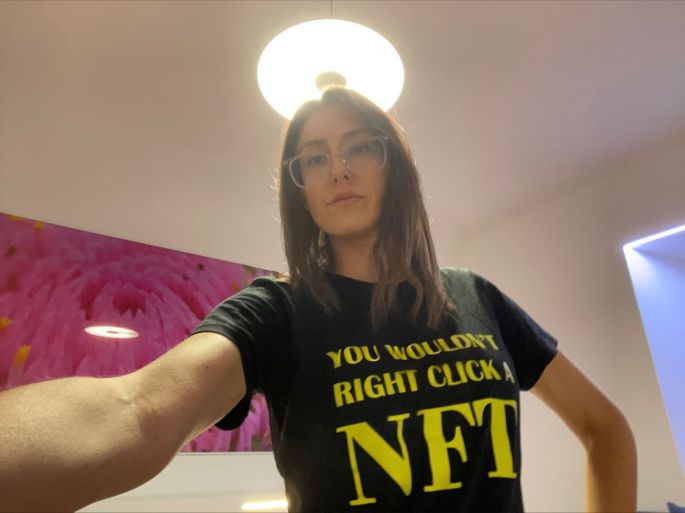
You Wouldn’t Right click a nft
To protect the ownership of a particular NFT, the ownership record is recorded on a blockchain, which is a decentralized and immutable ledger that records all transactions. Once an NFT is created and added to the blockchain, it cannot be altered or duplicated, making it difficult to forge or manipulate.
From a legal perspective, NFTs are protected by copyright law. The creator of an NFT owns the copyright to the underlying work, such as an image or video, that is represented by the NFT. The sale of an NFT does not transfer the copyright ownership to the buyer, but it does give the buyer the right to display and distribute the work represented by the NFT.
While it is possible to right-click and save an image or video that is represented by an NFT, this does not provide ownership of the NFT itself. The NFT exists on the blockchain and is tied to a specific digital signature, which cannot be duplicated or altered. Therefore, even if someone saves an image or video represented by a certain NFT, they do not own the NFT or have the right to sell or transfer it.
 ananives.art